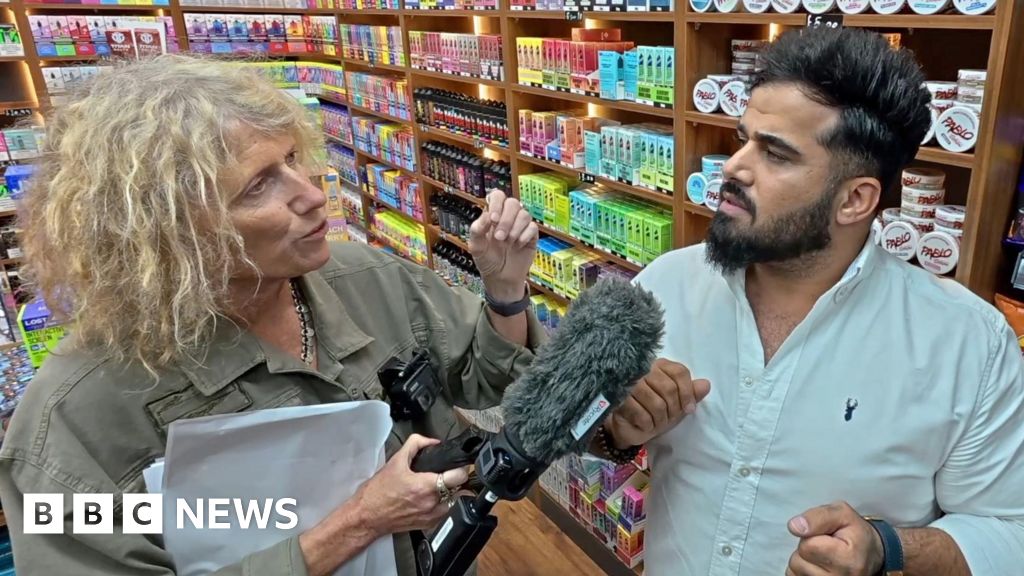
The BBC reports that a man described in its investigation as “the people smuggler” is living in Leicestershire and that its journalists located and filmed a direct confrontation with him. The broadcaster says the individual has a past conviction for people smuggling, is seeking asylum in the UK and has been working while living locally; those claims are presented in the BBC’s video report.
This article summarises what the BBC filmed and reported, and explains the limits of the publicly available material. Watch the BBC video below to see the on-camera confrontation and the footage on which the broadcaster bases many of its claims.
What the BBC found
The BBC’s report presents footage and on-the-ground reporting that it says shows a man with a previous conviction for people smuggling now living in Leicestershire. Across the filmed material the broadcaster refers to the subject as a “convicted people smuggler” and outlines two central allegations: that he has sought asylum in the UK and that he has been working while living in the area.
In its package the BBC sets out how its journalists say they traced the individual’s background and location, and it includes filmed exchanges in which reporters raise the conviction and employment claims directly with the man. The broadcast frames these as findings of the BBC’s investigation; the material published with the story is the broadcaster’s filmed account and not copies of court files or official case records.
The BBC report also places the encounter in local context, showing streets and a neighbourhood it identifies in Leicestershire and including brief interviews and reporting from the area. The broadcaster’s reporting describes steps it says led to the filmed confrontation and presents that confrontation as part of the evidence supporting its account.
People smuggler tracked in Leicestershire
The BBC locates the subject in Leicestershire and repeatedly refers to him as a convicted people smuggler. The report says he has applied for asylum in the UK and that he has worked while living in the county, describing those points as findings from the broadcaster’s investigation and the on-camera exchange.
The film shows local streets and dwellings the BBC identifies as the area where its reporters found the man. The footage gives a sense of the neighbourhood setting but does not include official enforcement activity during filming; the broadcaster does not show local authorities arresting or detaining the individual on camera in the public material.
BBC reporting raises questions about how the individual’s past conviction, current asylum claim and employment are being handled by relevant agencies, but it does not present court documents or formal agency statements proving action was taken at the time of the filming. The broadcaster describes the subject’s situation as it found it during its investigation.
Allegations, conviction and legal context
The BBC characterises the central subject as a convicted people smuggler. That description is attributed to the broadcaster’s reporting: the video and the accompanying BBC text present that claim, rather than reproducing court transcripts or conviction certificates within the publicly available material.
Our coverage follows the BBC’s framing and credits the broadcaster as the source of the allegations. The published BBC material does not include primary court paperwork or legal filings in the public footage, and therefore the full legal record, details of any appeals or the precise sentencing history are not visible in the report itself.
Readers should note that claiming asylum does not automatically shield a person from immigration or criminal investigations where there are outstanding offences or enforcement priorities. Outcomes depend on the specifics of individual cases, the status of any convictions, appeals and the statutory processes followed by enforcement and immigration authorities. The BBC’s footage documents its findings and questions but is not a substitute for formal legal documents.
How the BBC located and confronted him
The BBC’s video shows reporters describing the steps they say led them to the individual in Leicestershire. The footage includes on-the-ground reporting, short interviews with people in the area and the moment reporters approach the subject and conduct an on-camera exchange about his past conviction, asylum claim and work.
In the filmed confrontation the BBC puts specific questions to the man and records his responses on camera; the broadcaster uses that exchange as part of its investigative narrative. The programme also explains how its journalists say they verified aspects of the background that led to the meeting, while noting that the report relies on the BBC’s investigative reporting rather than published court documents attached to the clip.
The BBC footage is the principal piece of public evidence accompanying the broadcaster’s claims in this case. As with many investigative reports, the video raises further questions that may be answered only by agencies or by the release of formal records, should those become available.
What this means locally and what comes next
The BBC’s reporting could prompt review or further action by local and national enforcement bodies if they decide to investigate the matters raised. If authorities consider the broadcaster’s findings credible, they may examine whether immigration rules, employment regulations or outstanding criminal matters require follow-up. The report itself does not show such enforcement steps on-screen.
For local communities, the story highlights tensions between immigration processes, the handling of asylum claims and the enforcement of criminal convictions. Authorities typically balance due process for people claiming asylum with any legal obligations to investigate or prosecute alleged offences; the precise next steps would depend on agency assessments and available evidence beyond the broadcast footage.
We have reported the BBC’s account and linked to its video so readers can judge the footage and the broadcaster’s presentation directly. Where possible, independent verification via court records or official statements would clarify the status of any conviction, appeal or enforcement action.
Source attribution
This article is based on reporting by BBC News and the BBC video package titled “Watch: People smuggler tracked down and confronted by BBC.” View the BBC’s full report and footage here: BBC News video report. The claims about conviction, asylum status and employment are presented as reported by the BBC in its published material.