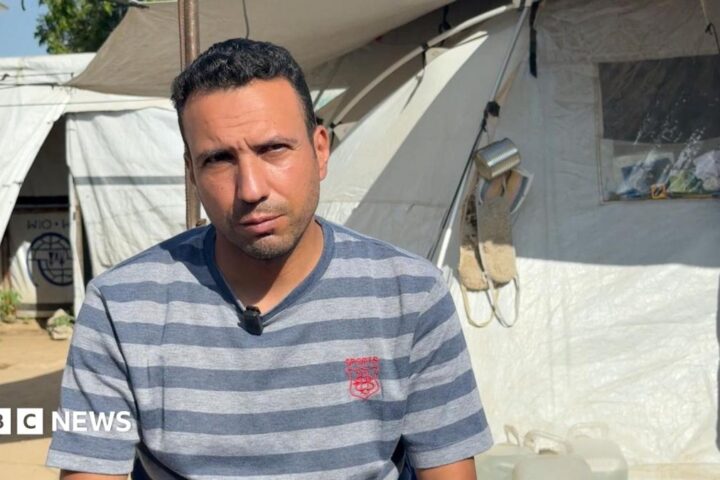
The BBC has reported that a person described in French reporting as a people smuggler, previously convicted in France, is now seeking asylum in the UK and has been found working in an English village. The BBC account links the individual to earlier court findings in France while noting those characterisations come from French sources and remain unverified by independent review.
This article summarises the BBC’s reporting, outlines the legal context for an asylum claim in the UK, and sets out local and cross-border implications as presented by the original coverage. It aims to clarify what was reported, what is claimed, and what remains to be established.
What the BBC uncovered
The BBC’s investigation reports that an individual with a past conviction in France for offences related to smuggling has lodged an asylum application in the UK and had been living and working in a village community in England. The broadcaster cites French reporting that labels the person influential in the organisation of migrant camps.
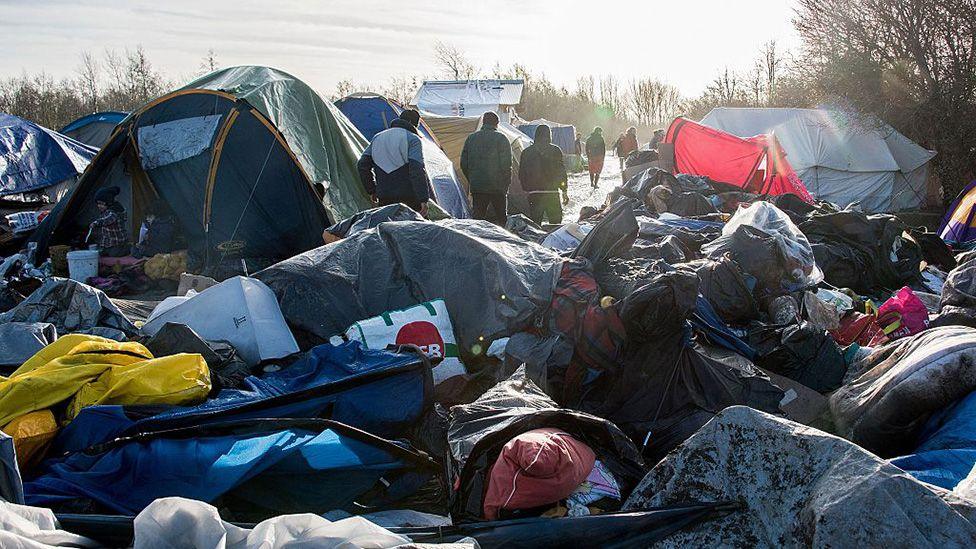
According to the BBC, the French sources described the individual using strong terms and connected them to organised activity around cross-channel migration. The BBC story reproduces those descriptions while emphasising that its account is based on sources in France and related reporting.
Who is the people smuggler
The BBC article repeats descriptions from French news and officials that refer to the subject as a central organiser of activity connected with migrant camps, and it reports that the person has a prior conviction in France related to people smuggling.
Those labels — including the phrase “the godfather” used in some French accounts — are attributed in the BBC coverage to French reporting and authorities. As the BBC emphasises, the characterisations are reported claims; they should be treated as allegations until corroborated by independent court records, public documentation, or an authoritative legal determination accessible to other outlets.
How UK asylum and legal rules apply
People seeking asylum in the UK must show they face persecution or another recognised reason for protection under the 1951 Refugee Convention and UK immigration law. Each claim is assessed individually by the Home Office with opportunities for appeal and judicial review.
A foreign conviction does not automatically bar someone from claiming asylum in the UK, but it is a material factor that can influence outcomes. UK decision-makers consider criminal history when assessing protection needs, public safety risks and exclusion clauses under international and domestic law.
There are separate legal routes for criminal proceedings and for immigration decisions. Extradition or transfer of convicted individuals between states depends on formal requests, bilateral arrangements and the specifics of the conviction and sentence. The BBC report does not detail any active extradition request or UK criminal proceedings in this case.
Local impact in the English village
The BBC says the person had been living and working in a village community in England. Where media identify someone linked to serious allegations abroad, local residents often express concern about safety, reputation and whether public agencies were aware or had acted.
The reporting notes local awareness of the individual’s presence but does not present evidence of criminal activity committed in the UK. Police and local authorities generally act on specific intelligence and may open inquiries if there is reason to suspect offences under UK law.
In similar situations, councils, police forces and immigration authorities have to balance community reassurance and confidentiality around ongoing investigations or immigration processes. The BBC coverage shows community interest and official caution pending verification of claims.
What comes next
If the asylum claim is considered by UK authorities, it will be assessed alongside any material relating to the person’s history, including available information about the French conviction. The Home Office can refuse claims on defined grounds, and claimants may appeal to independent tribunals.
Any extradition or criminal transfer would normally require formal steps from French authorities and consideration of legal protections in the UK, including human rights grounds. The BBC has not reported that such formal requests are in progress; it reports the fact of the asylum claim and the individual’s presence based on the sources it used.
Source and attribution
This article is based on BBC reporting. The term “people smuggler” and the phrase “the godfather” appear in the French reporting cited by the BBC and are reproduced here as reported claims rather than independently established facts.
Original BBC reporting: People smuggler convicted in France now seeking asylum in UK, BBC discovers
FAQ
What happened with the people smuggler?
The BBC reports that an individual previously convicted in France on offences linked to people smuggling has applied for asylum in the UK and was found to be working in an English village. The conviction and descriptive labels are drawn from French sources cited by the BBC.
Why does this matter?
Allegations that someone convicted abroad for organised smuggling is living in the UK raise questions about how asylum claims are checked, how foreign convictions are treated, and the responsibilities of local and national authorities to investigate credible concerns.
What happens next?
The UK Home Office will assess any asylum claim and consider relevant evidence. Extradition or criminal proceedings would follow established legal channels and may require formal requests and judicial consideration.
Note: This article summarises BBC reporting and related French accounts. The claims reported here are attributed to those sources and have not been independently verified by this outlet.