The ICE shooting of Lorenzo Salgado Araujo in Magnolia Park, Houston, touched off a swift diplomatic and investigative response from Mexican and U.S. officials. Mexican President Claudia Sheinbaum announced that Mexico will pursue “more significant legal measures,” while U.S. authorities described the incident as an agent-involved shooting in which an officer fired after, they say, the subject ignored commands and allegedly tried to use a vehicle against the agent. DHS-OIG and FBI Houston have both opened separate probes into the encounter, and questions about body-worn camera footage and deployment timelines remain central to the dispute.
ICE shooting of Lorenzo Salgado Araujo: what happened
U.S. authorities say the incident occurred during an ICE arrest operation in Magnolia Park, a neighborhood in Houston, when officers moved to detain a man later identified as Lorenzo Salgado Araujo. According to statements reported by news outlets, an ICE officer fired after commands were allegedly ignored and the subject purportedly tried to use a vehicle in a way the agency described as an imminent threat. Mexican officials have disputed parts of the U.S. account and stressed Araujo’s long ties to the United States.
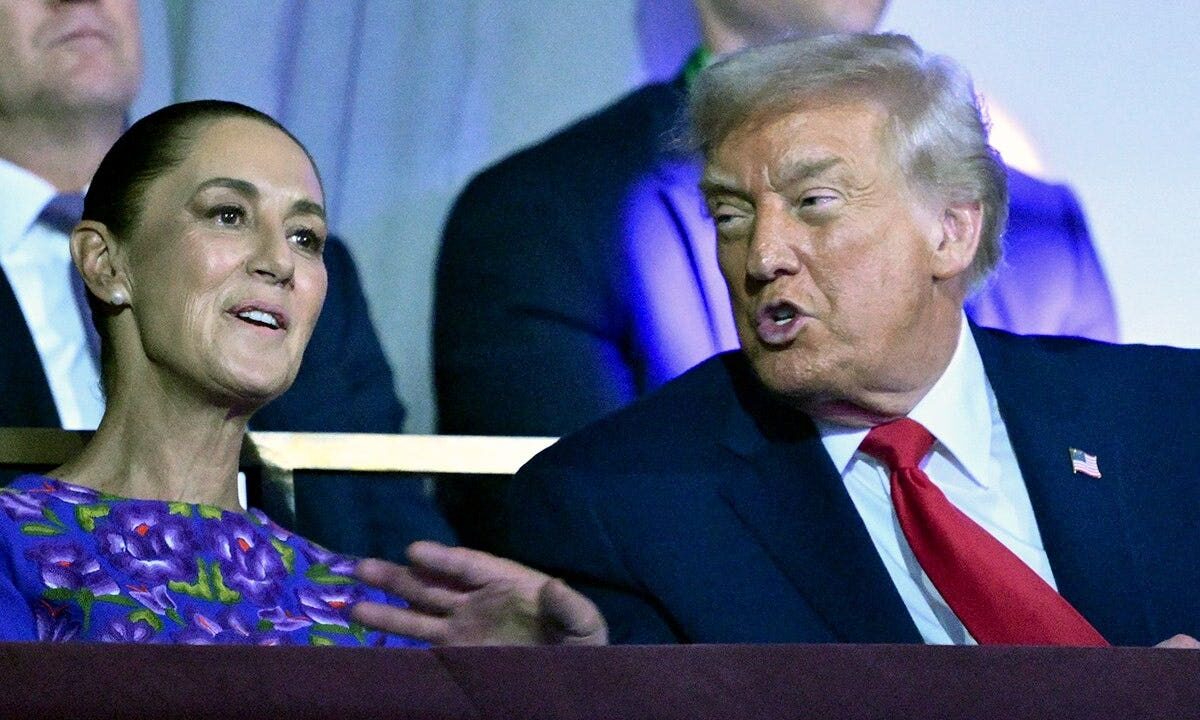
ICE described the encounter as a use of force in self-defense. Mexican President Claudia Sheinbaum, speaking in a public briefing, said Mexico would take actions beyond formal diplomatic notes and international petitions to press for accountability after the death of the 52-year-old Mexican national, as reported by news outlets.
U.S. and Mexican official reactions
President Sheinbaum told reporters she was preparing “more significant legal measures” to pursue accountability after the shooting, according to coverage by Fox News. Mexican Foreign Minister Roberto Velasco also said Mexico is requesting that U.S. authorities pursue criminal charges as part of a broader review tied to a tally Mexico has presented of Mexican nationals who died in U.S. custody.
In Washington, an ICE spokesperson defended the officer’s actions, saying the subject “refused to follow multiple verbal commands, and weaponized his vehicle in an attempt to run over an ICE law enforcement officer resulting in our officer firing his weapon in self-defense,” as reported by news accounts. DHS officials have acknowledged concerns about the availability and use of body-worn cameras in the encounter and offered explanations for delays in issuing recording equipment to all field offices.
Investigations and oversight
Two separate investigations have been announced: the Department of Homeland Security Office of Inspector General (DHS-OIG) has opened an internal oversight review, and FBI Houston has launched a criminal probe. DHS-OIG’s oversight review is expected to examine agency actions surrounding the incident, including compliance with use-of-force policies, training and the handling or availability of body-worn camera evidence, as is typical in such reviews and as reported by the press.
FBI Houston’s criminal investigation will look at whether federal offenses occurred during the incident, including any alleged assault on a federal officer. Prosecutors and investigators will evaluate forensic evidence, witness statements and any available video — including body-worn camera footage if it exists — to determine whether criminal charges are warranted.
Context: deaths of Mexican nationals in U.S. custody
Mexican officials have cited a count of 17 Mexican nationals who died in U.S. immigration custody in recent years, using that tally to press for broader scrutiny and systemic reforms. That figure, as reported by Mexican authorities and covered in news reporting, frames Mexico’s demand for greater accountability and for stronger mechanisms to investigate deaths and uses of force involving U.S. immigration enforcement.
Advocacy groups and some lawmakers have highlighted gaps in transparency when officers lack body-worn cameras, urging faster procurement and deployment of recording devices so that investigations can rely on objective footage. Critics have challenged explanations from DHS about delays, and the availability of video evidence remains a focal point of public debate.
Timeline
- Day 0: ICE conducts an arrest operation in Magnolia Park, Houston; Lorenzo Salgado Araujo is shot and later dies.
- Within 24 hours: DHS and ICE release an account describing the officer’s actions as self-defense; Mexican officials are notified and press statements follow.
- 24–72 hours: Mexico announces plans to pursue legal measures and cites its tally of 17 Mexican nationals who died in U.S. custody.
- Ongoing: DHS-OIG opens an internal oversight review; FBI Houston opens a criminal investigation; media, advocates and families seek transparency and potential independent review.
What comes next
The case will progress along parallel tracks: the DHS-OIG review will assess whether agency policies and training were followed, while the FBI’s criminal probe will determine whether federal crimes were committed. Any charges would depend on investigative findings and prosecutorial decisions by U.S. attorneys reviewing the evidence assembled by the FBI.
Mexican officials have signaled they will use diplomatic channels and may pursue international and multilateral mechanisms to seek remedies. Legal experts note Mexico’s options in U.S. courts are limited, but diplomatic pressure, human-rights petitions and bilateral engagement are among the avenues Mexico has indicated it may pursue.
Voices and cautions
Advocates and community leaders urged independent review and transparency. Beatriz Lopez of Voto Latino, quoted in news accounts, described Araujo as representing “what it means to seek the American Dream” and called for an independent process to determine the facts. At the same time, DHS and ICE spokespeople emphasized officer safety and the agency’s obligation to investigate threats to law enforcement.
Reporters and officials have cautioned that key details remain unresolved and that allegations from either side are subject to verification through the ongoing probes. Investigators will weigh forensic evidence, witness accounts and any surveillance or body-worn camera footage available to reach conclusions.
FAQ
Will the ICE agent face criminal charges?
That will depend on the evidence gathered by FBI Houston and the prosecutorial review by the U.S. Attorney’s Office. The FBI’s criminal investigation will determine whether federal charges, such as assault on a federal officer or other offenses, are warranted.
What investigations are open into the shooting?
DHS-OIG is conducting an internal oversight review of the agent-involved shooting to assess policy and procedural compliance. FBI Houston is conducting a criminal investigation into potential federal offenses arising from the incident.
What legal steps can Mexico take against the United States?
Mexican officials have said they will pursue diplomatic and legal measures, including requests for criminal referrals and filings with international bodies. Experts note Mexico’s legal options in U.S. courts are limited, but diplomatic pressure and human-rights processes are possible routes.
Source attribution and official documents
This report draws on coverage and official statements as reported by Fox News and The Associated Press. Quoted lines from Mexican and DHS spokespeople are attributed to their public comments as reported by those outlets.
Reporting sources: Fox News; additional reporting: The Associated Press. Statements by Mexican officials and DHS were reported in the above coverage.