
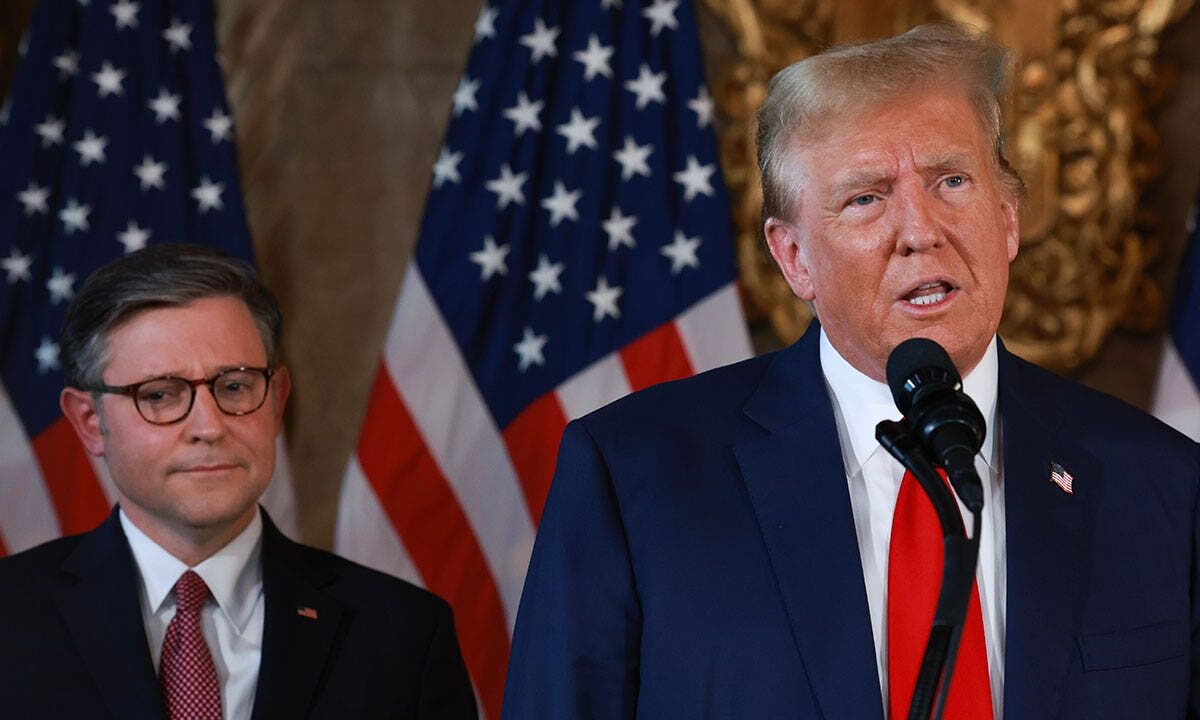
Trump executive order struck down by U.S. District Judge Denise J. Casper, who concluded the administration exceeded its authority and clashed with federal voting statutes. The decision, issued on Tuesday, permanently enjoins several provisions that would have required documentary proof of citizenship on the federal voter registration form and altered procedures for military and overseas ballots.
Ruling in brief: Trump executive order struck down
Judge Casper concluded that the executive order titled “Preserving and Protecting the Integrity of American Elections” exceeded the president’s lawful authority and was therefore ultra vires. The court held that the order attempted to alter statutory regimes that Congress has already established and that many election rules are reserved to states and to Congress under federal law.
The ruling permanently enjoins multiple core provisions, most notably the directive that would have required documentary proof of U.S. citizenship for registration in federal elections and provisions changing how ballots from uniformed and overseas voters are handled.
What the order would have changed
- Documentary proof of citizenship: The order sought to require documentary evidence of U.S. citizenship for federal voter registration, effectively altering the federal form and eligibility practices for federal elections.
- Military and overseas ballots: The order attempted to modify timelines and procedures for ballots covered by the Uniformed and Overseas Citizens Absentee Voting Act (UOCAVA), potentially affecting how and when overseas ballots are accepted and counted.
- Withholding federal funding: It authorized conditioning certain federal election-related funds on states’ adoption of the order’s rules, including stricter receipt deadlines and ballot-rejection standards.
- Alignment with the SAVE Act: The order dovetailed with legislative efforts such as the SAVE Act, which would create statutory requirements for documentary proof of citizenship for federal registrations if enacted by Congress.
Legal reasoning and conflicting statutes
Casper’s opinion emphasizes core administrative-law principles: the executive may not use an order to displace statutes enacted by Congress. The opinion identifies direct conflicts between the order and the National Voter Registration Act (NVRA) and UOCAVA, concluding the administration lacked authority to rewrite registration criteria or override statutory timelines for absentee voting.
The court quoted its core holding that the order’s contested provisions were, by design, “unconstitutional and void because they are ultra vires and violate the separation of powers,” tying that language to the argument that only Congress and the states have primary responsibility for setting election rules within the bounds of federal law.
Relevant statutes and background: NVRA (52 U.S.C. § 20501 et seq.) and UOCAVA (52 U.S.C. § 20301 et seq.). The court’s opinion cites statutory text and prior precedent in explaining why the executive directive could not stand.
Political reaction and litigation next steps
The lead plaintiffs — a coalition of 19 states — hailed the decision. California Attorney General Rob Bonta, a named plaintiff, issued a statement praising the ruling as a defense of state authority and voter access, saying the court reaffirmed that election regulation belongs to Congress and the states, not unilateral executive action (California AG statement, June 2026).
The White House and supporters of the order criticized the ruling. Allies argued the blocked measures aimed to strengthen election integrity; some observers indicated the administration is likely to appeal. If appealed, the case would proceed to the federal court of appeals and could be subject to further review up to the Supreme Court, depending on procedural rulings and the parties’ choices.
Judge Casper had earlier entered a preliminary injunction on related provisions while litigation continued; her permanent decision narrows the remaining live claims. The court provided a schedule for briefing on a narrower funding-condition question and set a July 10 deadline for the parties to address whether certain funding-related claims require additional proceedings.
What this means for voters and states
Practically, the ruling prevents the administration from imposing the struck provisions on states or unilaterally changing the federal voter registration form to require documentary proof of citizenship. Any change to the federal form or to eligibility rules would require lawful notice-and-comment rulemaking or an act of Congress that complies with existing statutes like the NVRA.
States retain primary authority to administer elections within the constraints of federal law. Election officials who had planned operational changes in response to the order are not required to implement them while the injunction and permanent ruling remain in effect.
Advocates on both sides characterized the outcome through distinct policy frames: supporters of the ruling emphasized access and statutory limits on executive power, while proponents of the order argued it was aimed at improving confidence in election administration.
Background and related litigation
The executive order was signed March 25, 2025. Multiple suits followed. In April 2025, another district judge blocked portions of the order related to proof-of-citizenship requirements; Judge Casper’s later opinion expanded on those holdings by invalidating additional provisions and clarifying statutory conflicts. Congress continues to debate the SAVE Act, a legislative effort with overlapping goals to mandate documentary proof of citizenship for federal registration.
Source attribution and official filings
This article draws on the court’s opinion and public statements from the plaintiff coalition and state attorneys general, as well as reporting by national outlets. For the official docket and filings, see the PACER court records system (official court docket and filings): pacer.uscourts.gov. The California Attorney General’s office posted a statement on the ruling (see CA AG news and press releases). Additional reporting and case context were reviewed from Reuters and the Associated Press; Fox News coverage is linked below for reference.
Primary statutes cited in this article: NVRA and UOCAVA. For the Fox News report referenced here, see: Fox News coverage.
Source: court opinion and filings; California Attorney General press materials; reporting by Reuters and the Associated Press; Fox News.