Standfirst: Crimea residents told the BBC they were facing a “catastrophic” situation after recent strikes on the peninsula, and reporters collected on‑the‑ground accounts and expert context.
What happened in Crimea
The BBC report says residents in parts of Crimea described heavy damage and disruptions after what the story attributes to Ukrainian strikes on the peninsula. Reporters collected multiple local testimonies describing damage to homes, infrastructure and public services.
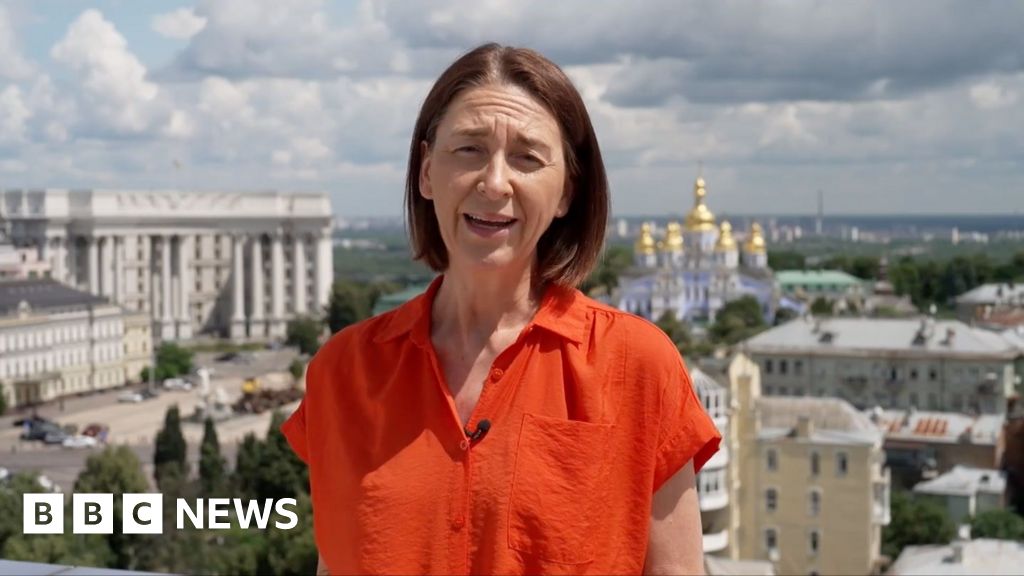
The BBC’s Eastern Europe correspondent, reporting from the area, emphasised that the information is based on on‑the‑ground accounts and that precise independent verification of the full scale and timing of the strikes was not available in the report. The BBC noted that its team recorded residents’ testimony and local observations while making clear where details remain unverified.
Why Kyiv targets the Crimean peninsula
Analysts cited in the BBC piece set out several strategic reasons Kyiv might strike targets in Crimea. The peninsula hosts infrastructure and facilities that Russia has used to support operations in southern Ukraine; degrading those capabilities can limit Moscow’s operational reach in the Black Sea and on the southern front.
The BBC report summarises expert views that strikes on Crimea can be aimed at military logistics, air and naval support sites, or other points seen as enabling Russian forces. Such operations are framed by Kyiv as part of efforts to reduce the advantage Moscow gains from basing certain capabilities on the peninsula.
Crimea also carries a high symbolic value for Moscow and for Vladimir Putin personally. The BBC noted that this combination of operational and political importance means that actions on the peninsula risk a strong response from Russian authorities and attract international attention.
Human impact and resident accounts
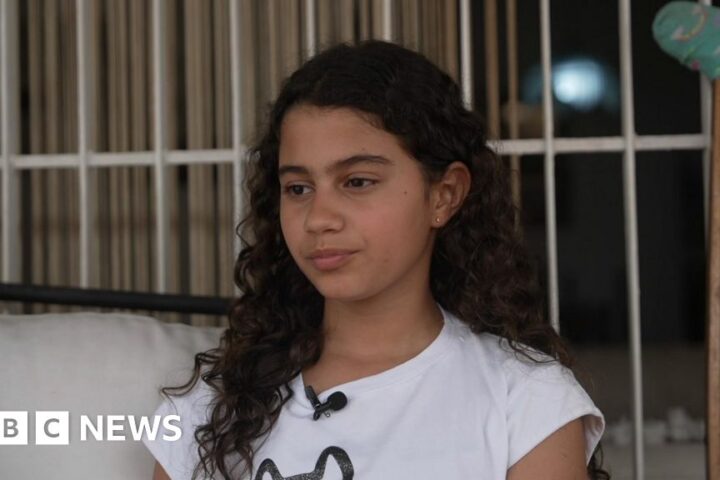
Residents interviewed by the BBC described immediate hardship following the reported strikes. The report uses the term “catastrophic” to capture how some locals characterised the damage and disruption to daily life.
“It’s catastrophic,” one resident told the BBC, according to the published report. The BBC emphasised that these are first‑hand testimonies gathered in the aftermath and that the coverage does not replace a full, independently verified damage assessment.
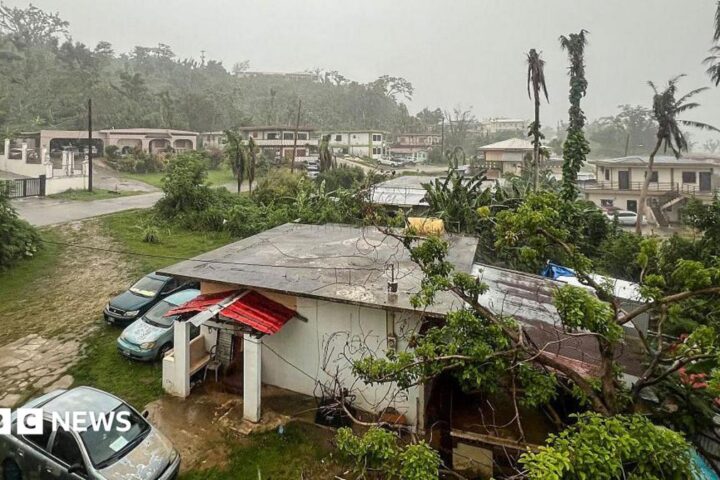
The BBC reported accounts of homes damaged, utilities interrupted and emergency teams working to assist those affected. Local volunteers and services were described as responding under difficult conditions, but the BBC noted it could not independently confirm the full scale of casualties or the complete extent of damage across the peninsula.
What Moscow says and wider regional risks
The BBC piece explains that Russian officials typically condemn strikes on Crimea and present them as evidence of hostile behaviour by Kyiv. Moscow’s public messaging frames the peninsula as a core national interest, and officials are likely to respond to attacks in a way intended both to shore up domestic support and to deter further strikes.
Analysts in the BBC report warned of broader risks: strikes on or near Crimea can prompt higher levels of military activity in the Black Sea region and raise the chances of tit‑for‑tat responses. The BBC contextualised these risks by noting Crimea’s strategic role in regional security, meaning incidents there can have outsized political and operational consequences.
What comes next
In the near term, the BBC said reporters and analysts will watch several indicators: whether strikes continue, how Moscow publicly and militarily responds, and the scale of humanitarian needs among residents. The story underlined the importance of independent verification of damage and casualty figures to build a clearer picture of events on the ground.
Humanitarian and monitoring organisations, along with journalists, will be central to documenting the evolving situation. The BBC recommended close attention to official announcements from both Kyiv and Moscow and to credible on‑the‑ground reporting to track developments and any changes in security dynamics across eastern Europe.
Source attribution: this article draws on BBC News reporting and on resident testimony collected and reported by the BBC. For the original BBC coverage and full reporting, see the BBC article cited below.
For the full BBC coverage and the original report, see: BBC News – Crimea residents describe ‘catastrophic’ situation after Ukrainian strikes. (Reporting by BBC News.)