The Venezuela earthquake response has drawn widespread public anger, according to BBC reporting. In a report by BBC correspondent Orla Guerin, residents in affected neighbourhoods said the state’s efforts to locate survivors and help victims were slow, uneven and left many communities without timely aid.
People on the ground described frantic searches, protests and growing frustration as families waited for information about missing relatives. Officials say emergency teams were mobilised, but residents and local relief organisers told BBC reporters that key needs — search capacity, debris removal and regular delivery of food, water and medical care — have not been met consistently.
Quick facts: Venezuela earthquake response
BBC News correspondent Orla Guerin reported from quake-affected areas and documented residents’ anger and accounts of gaps in the official response. The BBC report is the primary source for the details below.
Residents described delays in finding survivors, inconsistent aid distribution and limited access to some damaged neighbourhoods. Officials have publicly announced deployments of emergency crews and convoys, but on-the-ground accounts say those resources did not always reach the hardest-hit pockets.
What residents say and local scenes
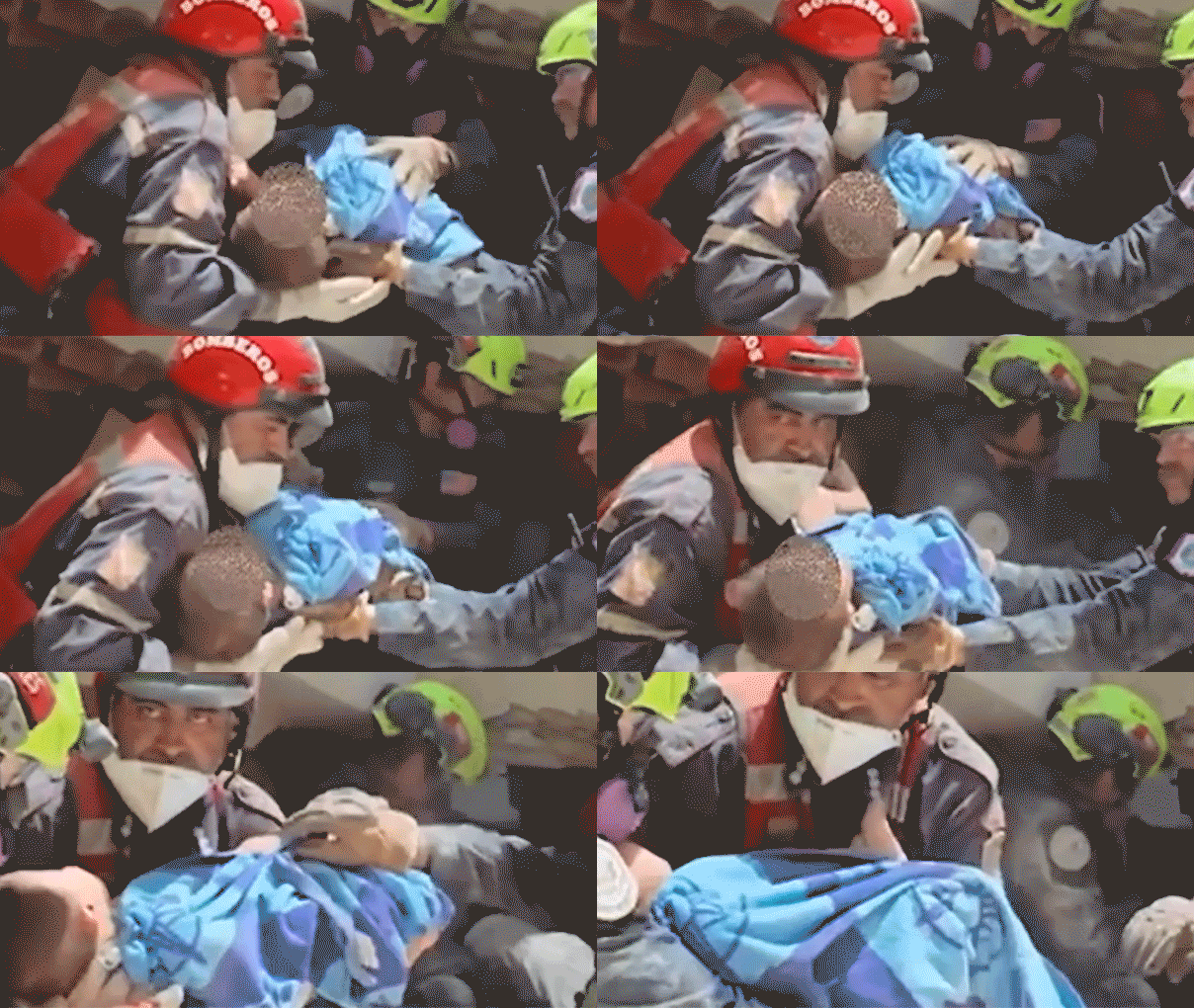
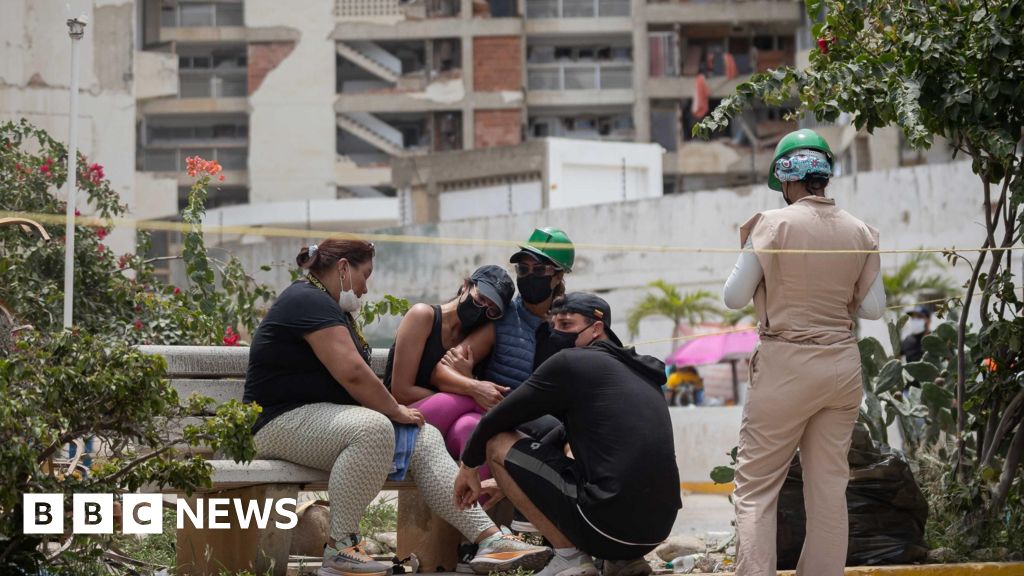
People interviewed by the BBC gave vivid accounts of the hours after the quake: neighbours pulling at rubble, households sharing scarce drinking water, and informal groups organising searches because they felt official teams arrived too late in some places. Several residents said they spent long nights searching for relatives before any formal help appeared.
There were scenes of public protest in some towns, with residents demanding clearer lists of who had been reached and pressing authorities for faster action. Local organisers told BBC reporters that patience has worn thin where recovery appears uneven; in tightly packed neighbourhoods, people said debris and blocked streets made it hard for vehicles and crews to get in.
Volunteers described carrying small loads of supplies by foot into narrow lanes where trucks could not pass. These grassroots efforts helped keep some families afloat but underscored the gaps volunteers say remain in state-led logistics and distribution plans.
State actions and reported gaps
Officials have announced the deployment of emergency crews, supply convoys and temporary shelters. State statements emphasise coordination and resources being sent to impacted regions. The BBC report places those official claims alongside residents’ testimony that, in many places, help arrived too slowly or in inadequate amounts.
Residents and relief workers described specific logistical problems: heavy equipment arriving late or not at all, roads blocked by rubble, and limited communication about where aid centres were operating. These bottlenecks, as recounted to the BBC, contributed directly to the anger and mistrust visible in public protests.
Where authorities say distribution points are open, some locals report long queues and rationing; other neighbourhoods reported no clear route to obtain the supplies being advertised. That uneven access — even when overall quantities of aid are nonzero — can create the perception that some communities are being prioritised over others.
Aid flow and where help is missing
The BBC report notes that some food, water and basic medical supplies have reached central distribution hubs. However, volunteers and residents told reporters that remote or heavily damaged areas have been missed in distribution runs, and transport bottlenecks have limited the ability to move heavy debris that could free trapped people.
Local organisers pointed to shortages of shelter space and medical attention in certain districts, with injured people and families sleeping in public spaces or with relatives. Coordination problems between state agencies, community groups and external aid actors were highlighted as a constraint on getting help where it is most needed.
Background
Venezuela has experienced damaging earthquakes in the past that tested local and national emergency responses. Past events have demonstrated how quickly local networks form to fill gaps, and how logistical limits — damaged roads, blocked access and constrained local resources — can slow formal relief efforts. That context helps explain why residents in this episode reacted strongly when they perceived help as late or unevenly distributed.
Why it matters for recovery and governance
Public anger over the Venezuela earthquake response has immediate humanitarian consequences and longer-term political implications. When communities distrust official efforts, cooperation in search-and-rescue and distribution programmes can fall, making it harder to reach survivors and to rebuild in an orderly way.
Uneven recovery can deepen existing inequalities and prolong displacement, pushing vulnerable families to rely on informal support networks for longer. Visible, consistent action that reaches all neighbourhoods quickly is often essential to restoring confidence and enabling coordinated rebuilding.
What comes next
According to the BBC reporting, priorities to reduce tensions include clearer, regularly updated information on who has been reached; targeted delivery to hard-hit pockets; and faster removal of debris to enable search operations. Local leaders and aid groups told BBC reporters that confirming which communities have received assistance and which still need help would be an immediate step toward rebuilding trust.
International and non-governmental actors that can provide independent verification of deliveries and reach may also help close gaps, the BBC report suggests. Improving transport logistics and ensuring heavy equipment reaches obstructed streets are practical fixes that relief co-ordinators and officials have highlighted.
Source attribution and verification note
This article is based on reporting by BBC News correspondent Orla Guerin. The BBC’s video and field reporting document residents’ anger and outline reported gaps in the official earthquake response. Claims about official failings are reported by the BBC and have not been independently confirmed by The Nonstop News.
For the BBC’s original coverage and on-the-ground reporting, see the BBC News piece by Orla Guerin linked in the source note below. The situation is evolving and further independent verification may become available as relief operations continue.
FAQ
- What does the BBC report say about the Venezuela earthquake response?
- The BBC, reporting from affected neighbourhoods, documents residents expressing anger at delays and gaps in official efforts to locate survivors and provide aid, according to correspondent Orla Guerin.
- Why are residents angry with the state response?
- Residents told the BBC they faced slow arrival of search teams, uneven delivery of supplies and poor communication — factors that fuelled protests and criticism of the state response.
- How can aid reach affected areas?
- Reporters and local organisers cited improved transport logistics, clearer coordination between authorities and volunteers, prioritised delivery to hard-hit neighbourhoods, and independent verification of deliveries as ways to close gaps.